Calm Your Mind Fast: Breathing, Grounding & More
How can I calm my mind?
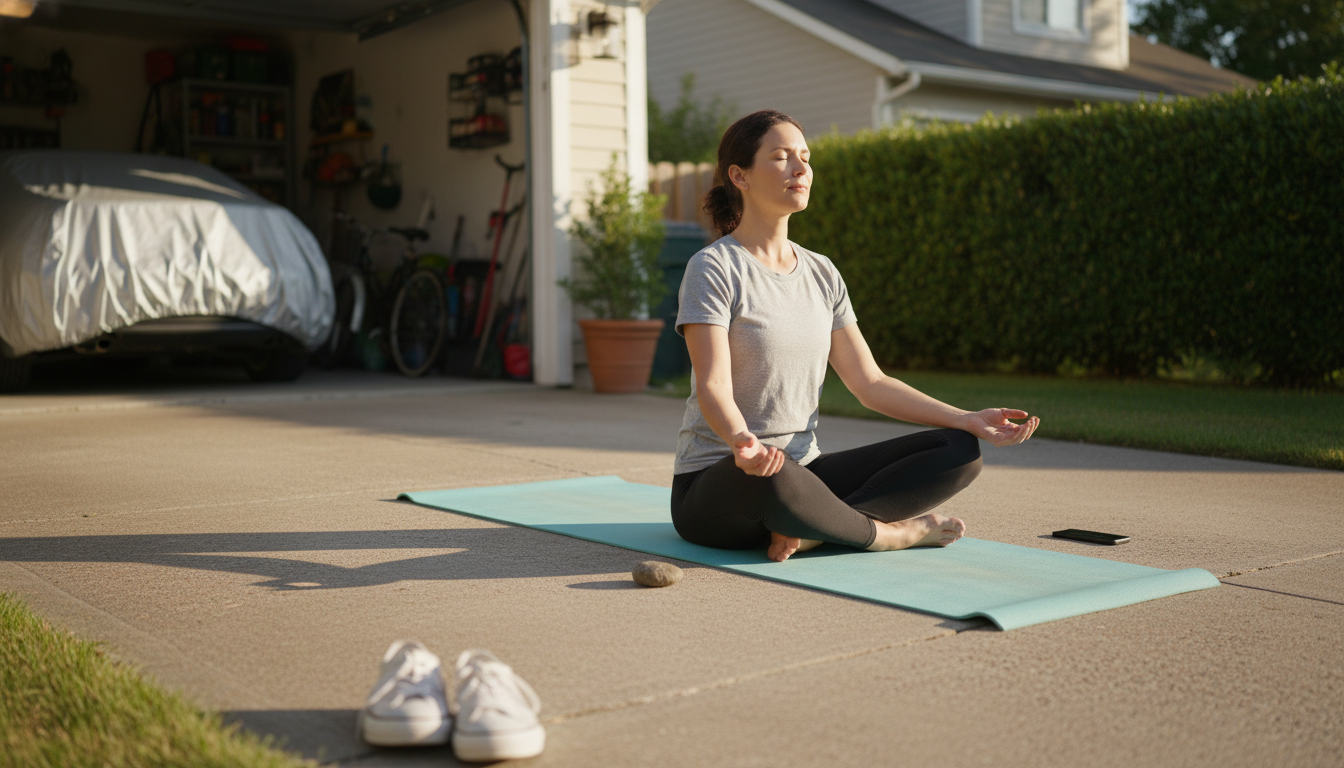
Calming your mind starts with giving your nervous system a clear signal that you’re safe right now. Instead of trying to “stop thinking,” aim to shift your body into a steadier rhythm—your thoughts usually follow.
Try a 60-second breathing reset
Set a gentle pace: inhale through your nose for a count of 4, hold for 1, exhale slowly for 6. Repeat for 6–8 cycles. The longer exhale helps reduce physical stress responses and can quickly take the edge off racing thoughts.
Ground yourself with a simple sensory check
Use the 5-4-3-2-1 method: name 5 things you see, 4 you feel, 3 you hear, 2 you smell, and 1 you taste. This anchors attention in the present moment and interrupts spirals fueled by “what if” thinking.
Do a quick “mind sweep” instead of mental wrestling
Take 30 seconds to mentally label what’s happening: “planning,” “remembering,” “worrying,” “judging.” Labeling creates distance—thoughts become events you notice, not commands you must follow.
Use a short guided meditation when it feels hard to focus
If silence makes your mind louder, guided meditations can provide structure and reassurance. They’re especially useful for anxiety because they redirect attention with clear prompts while encouraging a slower, calmer breath.
For a step-by-step approach and guided options designed for anxiety relief, visit this guide on calming your mind with guided meditations.
Build a “calm cue” you can repeat daily
Pick one small action you can do anywhere—two slow breaths, relaxing your jaw, or dropping your shoulders. Repetition trains your body to associate that cue with settling down, making it easier to calm your mind over time.
For Calm Your Mind Fast: Breathing, Grounding & More, the best answer depends on fit, material, care instructions, and how the product will be used day to day.
FAQ
What are some quick ways to reduce anxiety fast?
Try a longer exhale breathing pattern (like 4 in, 6 out) for one minute, then ground yourself with 5-4-3-2-1 sensory noticing. If possible, add light movement—standing, stretching, or a short walk—to help discharge tension.










Leave a comment