Global Travel Etiquette eBook: Manners That Travel Well
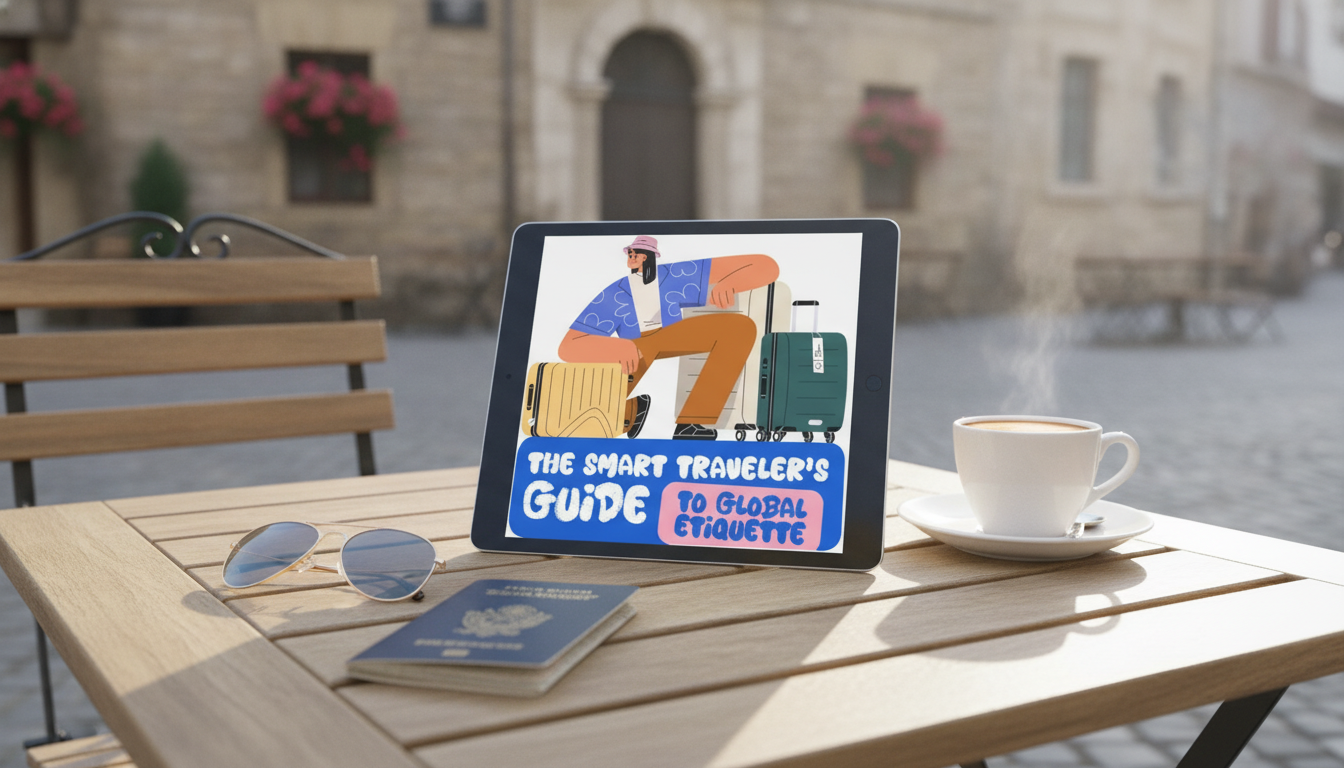
The Smart Traveler’s Guide to Global Etiquette (Digital eBook): Cultural Tips, Travel Etiquette, and International Manners
Confident travel often comes down to small details: how to greet someone, when to tip, what “polite” means in a different culture, and which gestures to avoid. This digital eBook helps travelers prepare for everyday interactions abroad with practical etiquette guidance that reduces awkward moments and builds respectful connections.
Why etiquette matters when traveling internationally
International travel puts everyday habits under a microscope. A friendly gesture at home can land differently elsewhere, and small misreads can ripple into uncomfortable service interactions or strained conversations.
- Helps prevent unintended disrespect in greetings, body language, and conversation topics
- Improves service interactions in hotels, taxis, restaurants, and tours by aligning with local expectations
- Supports smoother business and academic travel with culturally appropriate meeting behavior
- Builds trust and warmth faster when visiting friends, family, or hosting communities
What this digital eBook is designed to help with
Etiquette isn’t about perfection—it’s about signaling care and awareness. This guide is structured around real-life situations travelers run into constantly, so you can adjust quickly without overthinking every move.
- Everyday manners: greetings, introductions, and personal space norms
- Dining etiquette: table manners, paying, tipping, and common restaurant expectations
- Communication style: direct vs. indirect language, saving face, and polite disagreement
- Nonverbal cues: gestures, eye contact, and posture that can change meaning across cultures
- Public behavior: line etiquette, volume, photography, and respectful attire in shared spaces
Quick etiquette checkpoints travelers can use before any trip
When time is short, a few targeted checks can prevent the most common cultural missteps. Think of these as “friction reducers” for your first day on the ground.
- Confirm greeting norms: handshake, bow, cheek kiss, or verbal greeting—and who initiates
- Check clothing expectations for religious sites, rural communities, and formal venues
- Learn basic polite phrases and the local approach to “no,” “please,” and “thank you”
- Review money manners: tipping culture, bargaining expectations, and how to present payment
- Avoid high-risk gestures and topics until local context is clear (politics, religion, personal questions)
Fast pre-trip checklist: common etiquette categories
| Category | What to confirm | Why it matters |
|---|---|---|
| Greetings | Formality level, touch, eye contact | Sets the tone and prevents discomfort |
| Dining | Seating, utensils, paying, tipping | Avoids awkward moments at the table |
| Gestures | Hand signs, pointing, beckoning | Prevents accidental offense |
| Conversation | Small talk topics, directness, humor | Improves rapport and clarity |
| Public behavior | Queues, volume, photos, shoes | Shows respect in shared spaces |
Common situations where cultural etiquette makes the biggest difference
Some settings are more “rules-heavy” than others. When you know where expectations tighten, you can be more intentional—without turning your trip into a constant performance.
- Hotels and homestays: check-in tone, guest expectations, and respectful use of shared spaces
- Restaurants and cafés: calling staff, splitting bills, tipping, and pace of meals
- Markets and shopping: bargaining norms, how to decline politely, and respectful photography
- Temples, churches, mosques, and memorials: dress codes, silence norms, and restricted areas
- Public transport and taxis: seating etiquette, personal space, and conversation expectations
- Business or formal events: punctuality norms, gift-giving, and meeting etiquette
How to use the eBook for real-world travel planning
Etiquette research works best when it’s staged. Instead of cramming everything the night before, use the guide in short bursts tied to your itinerary.
- Before booking: scan cultural norms that affect accommodation style, dress needs, and budget (tipping, gifts)
- One week out: focus on greeting, dining, and public behavior—these create the most visible impressions
- Day-of travel: keep a short list of “do/don’t” reminders for gestures, photos, and respectful language
- During the trip: use it as a reference for new settings (formal dinners, religious sites, meetings)
- After the trip: note what worked and what surprised you to refine future travel habits
Who this guide is a good fit for
This etiquette eBook is most useful for travelers who want practical clarity—without wading through long cultural theory. It’s built for quick reference and everyday decisions.
- First-time international travelers wanting clear, practical etiquette reminders
- Frequent travelers who want fewer cultural missteps in daily interactions
- Students, volunteers, and exchange participants navigating new community norms
- Remote workers and business travelers balancing professionalism with local expectations
- Families traveling together who want easy-to-follow standards for respectful behavior
Digital download details and what to expect
For destination logistics and official updates, pair etiquette planning with reputable travel resources such as the U.S. Department of State – International Travel, the UK Foreign travel advice, and country background information from the CIA World Factbook.
Get the eBook
- Product: The Smart Traveler’s Guide to Global Etiquette (Digital Download eBook)
- Price: $43.99 (USD)
- Availability: In stock
- Use it as a go-to reference for respectful greetings, dining, communication style, and public manners while abroad
More digital guides available (in stock)
- 5-Minute Reset for Exhausted Parents (3 in 1) | Audio Course | Mindfulness Breathing, Emotional Reset & Energy Boost
- What to Do When Your Toddler Has Nightmares | Ebook Guide for Parents | Practical Comforting Tips & Bedtime Solutions
FAQ
Is this etiquette guide useful if the destination isn’t covered in detail?
Yes. The guide’s universal categories—greetings, dining, gestures, conversation style, and public behavior—help you adapt quickly even when specifics vary by region or city. For religious sites or formal events, it’s still smart to verify any country- or venue-specific rules.
Can this help with business travel etiquette as well as vacation travel?
Yes. It supports both by emphasizing formality, communication style, punctuality expectations, meeting behavior, and respectful introductions. For work trips, continue to follow company policies and any local regulations that apply.
How fast can the eBook be used for last-minute trips?
It’s built for quick reference: start with greeting norms, dining basics, tipping expectations, and gesture cautions. If you have extra time, scan public behavior and attire notes for the places you’ll visit first.









Leave a comment